Word counter releases and Windows zip tags
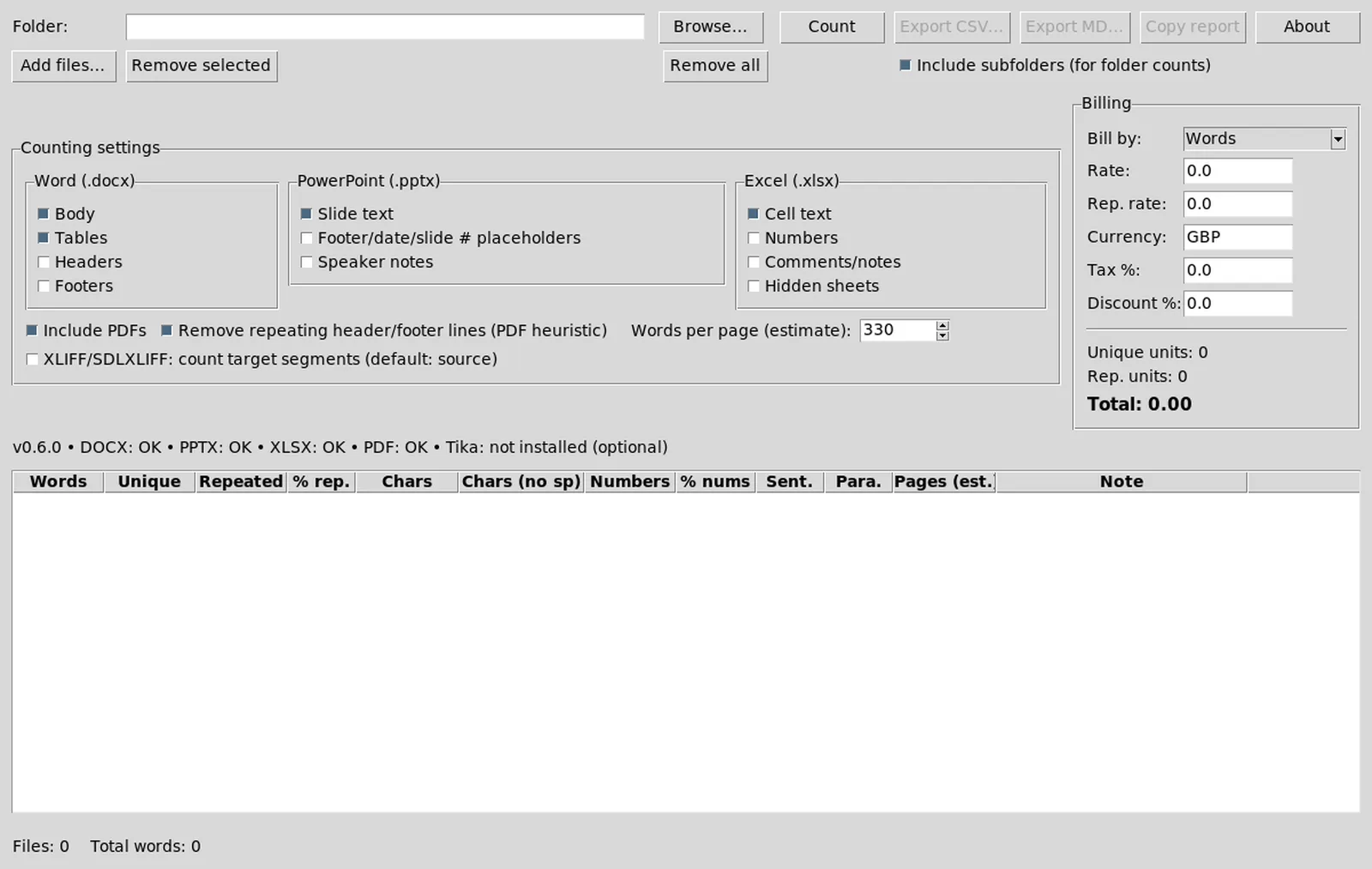
People who search for word counter releases usually need the exact Windows zip that matches a GitHub tag, not a renamed portal package. This page maps michaelbeijer/WordCounter release assets so a word counter install stays on the named file pattern.
The current fetch on this guide shows version 0.5.0. Prefer WordCounter-*-win64.zip from GitHub Releases. Extract the archive and run WordCounter.exe. Home hub: word counter.
What ships on the current tag
Windows receives the large win64 zip that bundles the desktop UI plus optional Tika support for extra formats. macOS and Linux do not receive prebuilt binaries on the current tag, so those desks follow the README source path instead of inventing a missing asset.
When you compare tags, read the asset list first. A changelog entry that mentions newer source features does not replace the zip name you must download. Keep the release notes open beside the install so the word counter binary matches the tag you intended.
How to pick the Windows file
- Match
WordCounter-*-win64.zipon a stable tag. - Skip checksum-only or unrelated attachments if they appear later.
- Prefer the same owner and repo: michaelbeijer/WordCounter.
- Write the tag and filename on the machine ticket after download.
Safe download habits: download safely. Windows steps: install on Windows.
Why zip size looks large
The Windows build bundles a stripped JRE and Apache Tika so translators get extra formats without a separate Java install. That increases download size compared with a thin script. Treat the size as expected for this word counter packaging, not as a sign that you grabbed the wrong file.
After extract, keep the folder together. Moving only WordCounter.exe without its bundled internals can break optional format support. Portable use means the whole extracted tree travels with you.
macOS and Linux on Releases
No AppImage, dmg, or .deb ships on the current tag. If you need those desks, follow the Python source notes in the README and record the path as UNVERIFIED until you run it. Do not invent a Homebrew or snap id that was not found on this review date.
Machine chooser: for this computer. Source overview: GitHub.
Cadence and older tags
Recent tags on this project move quickly around the same Windows zip pattern. Prefer the newest stable tag that still publishes the win64 zip. Older tags remain useful when a lab must pin a known-good file for imaging.
When you pin, store the full download URL and the SHA if you compute one locally. This guide does not invent checksum files that the release did not publish.
Update path
Download a newer zip from the same Releases page, extract to a new folder, prove one batch, then retire the old folder. Because the Windows build is a portable zip, there is no MSI uninstall wizard to run.
Update guide: update and uninstall. First hour: installed.
Common release mistakes
- Grabbing a mirror that only ranks for word counter.
- Expecting a winget upgrade when no winget id exists.
- Assuming a macOS asset will appear because the README mentions Python.
- Mixing tag notes from source changelog with the zip you actually downloaded.
Keep Releases as the single door for Windows desks that need this word counter. Prove one local batch after every bump before you change billing rates used in client quotes.
Release discipline is boring on purpose: one repo, one zip pattern, one proved batch. That is enough for a stable word counter desk.
Related: guides, vs AnyCount, safety.
Desk notes that prevent drift
Write the GitHub Releases URL on the machine ticket beside the OS version and the zip filename you actually extracted. When a teammate later searches for word counter again, that note stops them from grabbing a random portal mirror. Agencies that skip the note usually rediscover adware download portal pages during a rush job.
Keep a tiny sample folder of non-confidential .docx and .pptx files for smoke tests after every update. Proving a word counter batch on known files is faster than debugging rates on a live client delivery. Store exports next to the sample set so you can compare CSV rows across versions.
If SmartScreen or another gate blocks the first launch, return to the official Releases URL instead of downloading a second copy from search ads. Duplicate folders are how desks end up quoting from the wrong build. Uninstall means deleting the extracted tree you no longer trust, then re-extracting once from the tag you pinned.
For macOS and Linux operators who still need counting, document that the current tag is source-only. A Python virtual environment with the README dependencies is honest. Pretending a missing dmg or AppImage exists is how install docs go stale and fail audits.
Finally, keep commercial tools available as a fallback when a client contract still names them. A local MIT word counter can sit beside AnyCount without forcing an overnight migration. Switch when the batch path and exports cover the jobs you actually bill.